![富吉-[LOGO]-105](https://www.fujisj.com/uploads/a78ec670.png)
In the fast-changing world of commercial buildings, there's never been a greater demand for high-quality office elevators. Industry expert John Smith from ElevateTech puts it simply: “Choosing the right office elevator can really make a difference in how productive a workplace is.” That's a pretty good way to sum it up — selecting the right elevator isn’t just about getting from point A to B; it’s also about keeping employees happy and efficient.
As companies grow and impressive new skyscrapers pop up all over China, folks looking to buy elevators face quite a challenge. The market’s pretty crowded, and honestly, it can feel a bit overwhelming with so many options. Some elevators boast lightning-fast speeds, while others focus on luxury and looking sleek. Big names like Otis and Schindler are still the giants, but don’t forget—new players are jumping in and shaking things up. Making the wrong choice can seriously hamper operations, so doing your homework is a must.
Getting a good handle on what features and tech these elevators offer is super important. Safety features and energy savings shouldn’t be something you overlook. But sadly, some companies might go for cheaper models that cut corners on these essentials, thinking it’ll save money upfront. That’s often a mistake—what seems like a bargain now can end up costing way more down the line. Finding the right balance between quality and cost is key. Basically, global buyers need to really think carefully about their investment, because this isn’t just about now — it’s about the future of their workspace.

Top Office Elevator Brands Leading the Market in China
When discussing top office elevator brands in China, several key players dominate the market. These brands are known for their innovative technology and reliable performance. They offer a range of products that cater to diverse building needs, from sleek skyscrapers to modern office complexes.
Experience plays a crucial role in their design and engineering. Many brands have decades of expertise in vertical transportation. They focus on enhancing passenger experience through smooth rides and efficient operations. Safety features are also prioritized, combining advanced sensors with robust mechanics, ensuring reliability in daily use.
However, not all brands maintain consistent quality. Some products may have reliability issues or face delays in service support. Continuous improvement is essential in this competitive industry. In a market that rapidly evolves, companies must adapt. Embracing new technologies can make a significant difference in performance and safety.
Top 10 Office Elevators in China for Global Buyers
| Rank | Load Capacity (kg) | Speed (m/s) | Maximum Floors | Energy Efficiency Rating |
|---|---|---|---|---|
| 1 | 1200 | 2.5 | 15 | A++ |
| 2 | 1000 | 2.0 | 10 | A+ |
| 3 | 1600 | 3.0 | 20 | A++ |
| 4 | 800 | 1.5 | 8 | B |
| 5 | 2000 | 4.0 | 30 | A++ |
| 6 | 1000 | 2.5 | 12 | A+ |
| 7 | 1200 | 3.0 | 16 | A++ |
| 8 | 1500 | 2.0 | 18 | A+ |
| 9 | 900 | 1.75 | 9 | B |
| 10 | 1300 | 3.5 | 25 | A++ |

Elevate Your Living Experience: Exploring the Stylish and Functional FUJISJ Home Elevator Pro
Elevating your living experience can be achieved with a home elevator that seamlessly blends style and functionality. The latest innovations in home elevators offer not only convenience but also align with modern environmental standards. Utilizing permanent magnet synchronous gearless technology, these elevators ensure energy efficiency while providing a smooth and silent ride. This advancement represents a significant step towards sustainable living, adhering to green environmental protection standards widely recognized in Europe.
One of the most appealing aspects of contemporary home elevators is their roomless design. This feature eliminates the typical restrictions imposed by traditional machine room requirements, allowing greater flexibility in architectural design. Homeowners can now customize their spaces without being constrained by mechanical installations. The integration of the elevator into the overall design enhances the aesthetic value of the home, making it a stylish addition that complements the living environment. As both the elevator and residence harmoniously meld, they elevate not just the functionality but also the status of the living space, embodying the refined taste and identity of the owner.

FAQS
: Modern elevators often include smart tech, touchless controls, and energy-efficient features.
Touchless controls allow users to call elevators via smartphones, reducing physical contact during busy hours.
Energy-efficient systems, like regenerative drives, lower energy consumption but can involve high installation costs.
Predictive maintenance uses AI to anticipate breakdowns, increasing reliability and safety of the elevators.
Implementing new tech requires skilled technicians for maintenance, adding complexity to operations.
Buyers need to understand local regulations, quality assurance, and potential compliance issues to avoid risks.
Quality can vary between manufacturers, so third-party inspections help ensure products meet standards.
The lowest price may not equate to best value; maintenance costs are crucial to consider long-term.
Maintenance can account for nearly 30% of total lifecycle costs, influencing overall procurement strategy.
Yes, balancing initial investments with long-term savings is often challenging for many companies.
Conclusion
The article "Top 10 Office Elevators in China for Global Buyers" explores the dynamic landscape of office elevators in China, highlighting key market leaders and emerging trends. It discusses the latest technological advancements that enhance efficiency and user experience, while also addressing crucial safety standards and regulatory frameworks governing the industry.
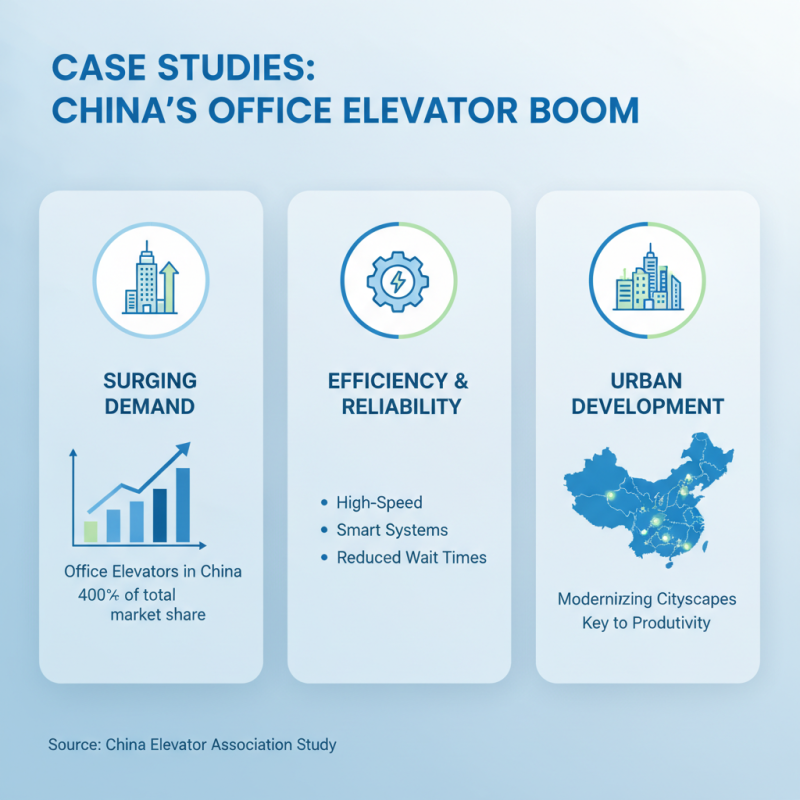
Additionally, the piece analyzes various top office elevator models, presenting their specifications and unique features. Through case studies of successful elevator implementations in Chinese offices, it provides insights into effective sourcing strategies for global buyers. This comprehensive overview assists stakeholders in navigating the Chinese elevator market, ensuring they make informed decisions when selecting office elevators for their needs.
Related Posts
-

Transforming Workspace Accessibility: The Rise of Office Elevators in Modern Architecture
-

10 Best Apartment Elevators for Modern Living and Convenience
-

Top Features to Consider When Choosing Apartment Elevators for Your Building
-

Top 10 Office Elevators You Need to Know About?
-

Why Are Office Elevators Essential for Modern Workspaces?
-

Top 10 Apartment Elevators Features You Should Know?


